Tray and food pack wrapping

Food tray shrink wrapper for grouped tray packs

Tray packs often require a sleeve sealer route that secures grouped products for transit, retail handling or storage. The machine specification depends on tray dimensions, product height, film choice and tunnel performance.

Tray pack variables

Open trays, closed trays and loaded cartons behave differently in a sleeve sealer. Pack stability before the film is shrunk is just as important as the final tunnel finish.

Film and pack strength

PE shrink film can create a strong transit pack, but film width, thickness and seal position must be chosen for the tray dimensions and product weight.

Line layout

The machine route may include manual load points, conveyor-fed infeed, product guides, tunnel discharge and space for pack cooling.

Lancing UK specification support

Match the sleeve sealer, shrink tunnel and conveyors to the pack

For a reliable result, the sleeve sealing route should be considered as a complete system: product grouping, film wrapping, sealing, heat tunnel recovery, cooling and discharge. The pages below help narrow the right route before you contact Lancing.

Open specification checklist
Lancing automatic sleeve sealer and shrink tunnel

Related buying guides

Continue comparing sleeve sealing routes

Use these related pages to compare machine type, film route, tunnel specification and quote preparation.

Quick answers

Food tray shrink wrapper for grouped tray packs FAQs

Can tray packs be sleeve wrapped?

Yes. Trays can be sleeve wrapped and shrunk when the pack is stable enough to pass through the sealer and tunnel.

Do food tray applications need special testing?

For heat-sensitive contents, packaging materials or labels, sample testing or careful tunnel specification is recommended.

What makes tray packs different from bottle packs?

Tray packs are usually more rectangular and may have product overhang, which changes film width, seal placement and tunnel settings.

Speak to Lancing UK

Need a practical sleeve sealer recommendation?

Send product size, pack format, film type, target output and available floor space. Lancing can recommend a sleeve sealer, shrink tunnel and conveyor route for the application.

Food tray trial framework

Confirm tray support, heat response and the cooled transit bundle

Grouped food trays can be sleeve wrapped when the unshrunk group remains controlled and the tray, product, label and film tolerate the agreed tunnel process. The trial must represent the real pack rather than an empty or unusually light sample.

Keep the packaging route distinct

This page concerns several trays grouped inside a PE film sleeve for transit or multipack handling. It is not a tray-lidding process, an individual stretch-overwrap process or a decorative shrink-sleeve label application. Where an individual product needs an appropriate fully enclosed shrink bag, compare the separate L-sealing machinery route.

Food tray variables to include in the trial
Pack featureEngineering questionAcceptance evidence
Tray rigidity and wallsDoes the tray remain square while pushed, wrapped and heated, and can its edges contact the film safely?No tray collapse, curl or corner damage after cooling.
Product overhang and contentsDo lids, rims or contents project beyond the tray, and is the centre of gravity stable during transfer?Group remains aligned without lid scuffing, product movement or contact damage.
Heat sensitivityWhat temperature exposure can the food, tray, lid, adhesive, ink and label tolerate?No distortion, seal damage, label lifting or unacceptable product condition under the approved process.
Base supportIs the group tray-supported, pad-supported or expected to run directly on the container bases?The base transfers across the wrapper, tunnel and discharge without snagging or opening the group.
Film and seal positionDoes the film width provide the required wrap and overlap without placing the seal against a vulnerable edge?Continuous seal, controlled corner thinning and no holes or exposed sharp points.
Cooling and handlingHow soon will the bundle accumulate, turn, be lifted or be palletised?The cooled pack survives the representative downstream movement and handling test.

Approve the production pack, not only the tunnel appearance

Run the smallest, largest and least stable tray groups at production-equivalent weight. Use the intended PE film and normal pack spacing, then include a short stop and restart. Inspect collation and the seal before shrinking; inspect film distribution at the tunnel exit; and assess the cooled pack after the actual transfer and handling route.

Record the approved bundle, tray, film, guide positions, seal controls, tunnel settings, conveyor setting, spacing and cooling arrangement. The multipack page explains support choices, the PE film page covers material control and the tunnel page covers heat, airflow and cooling.

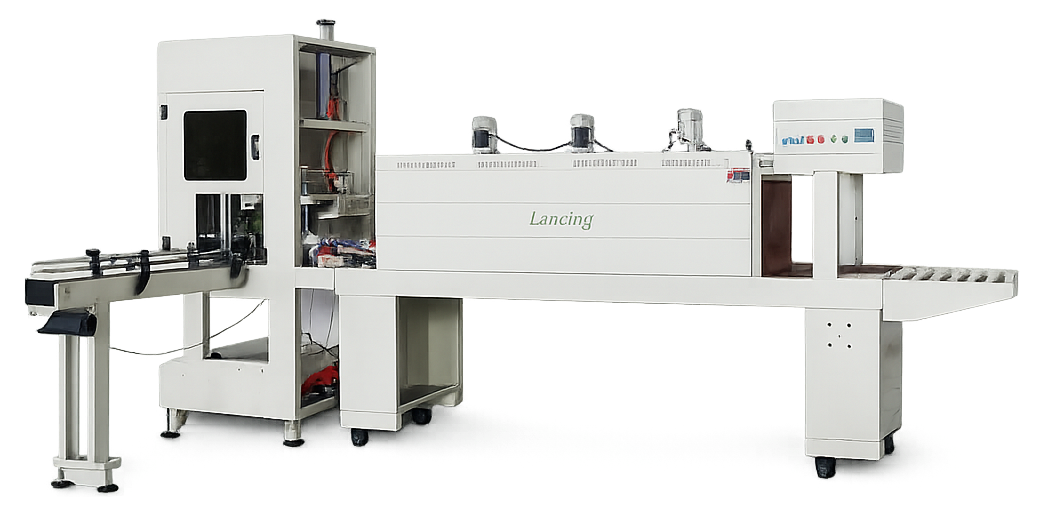
Food-tray qualification

Protect the tray, product and label while creating a stable transit bundle

Representative trials should include the least rigid tray, greatest product overhang, production-weight load and any heat-sensitive label or component. Hygiene and cleaning arrangements must be reviewed for the final site and equipment scope.

Food-tray pack checks
StageCheck
Before wrappingTray is square, product is contained, edges are not damaged and the group can transfer without shifting.
At sealingFilm and seal position do not trap product, catch tray corners or pull the group out of alignment.
After shrinkingTray, labels and product remain within the agreed condition without unacceptable heat distortion.
After coolingThe bundle remains stable when accumulated, lifted and placed using the intended handling method.
Call now Contact us