Automatic sleeve sealing
Seals film around grouped bottles, cans, cartons and trayless multipacks.

Sleeve sealing machinery UK
Lancing UK supplies automatic sleeve sealer machines, sleeve wrappers, PE film shrink tunnels and conveyor integration for bottles, cans, trays, cartons and grouped products.
Built around your pack format
Sleeve sealers are normally specified around the finished bundle: bottle count, tray size, pack height, film width, shrink quality and output target. The correct machine route also depends on how the product is presented to the sealer and what equipment is needed after the heat tunnel.
Lancing UK can help scope the sleeve sealer, shrink tunnel, infeed conveyors and downstream handling so the machine is matched to the real production process rather than chosen from a generic catalogue.
Seals film around grouped bottles, cans, cartons and trayless multipacks.
Shrinks film around the product for a secure, professional pack finish.
Conveyors, spacing, bundle formation and downstream handling can be specified as a complete system.
UK sleeve sealer machine supplier
SleeveSealers.co.uk is focused on one clear requirement: helping production teams specify the correct sleeve sealer machine for multipacks, bottles, cans, trays, cartons and transit packs. The site is built around practical buying questions such as pack dimensions, PE shrink film, heat tunnel size, conveyor layout and target packs per minute.
Unlike a general shrink wrapping page, these pages separate the main buying routes: automatic sleeve sealers, semi-automatic sleeve sealers, inline and side-feed layouts, bottle wrapping machines, shrink tunnels and PE film sleeve sealing. That makes it easier to match the search and the machine route to the real production requirement.
| Automatic sleeve sealers | For repeated production, conveyor-fed lines and consistent multipack wrapping. |
|---|---|
| Bottle and drinks multipacks | For bottled water, drinks, cans, trays and beverage pack collation. |
| Shrink tunnels | For heat, airflow, belt speed and PE film shrink finish. |
| Line integration | For infeed conveyors, spacing, tunnel discharge and downstream handling. |
Featured Lancing machine
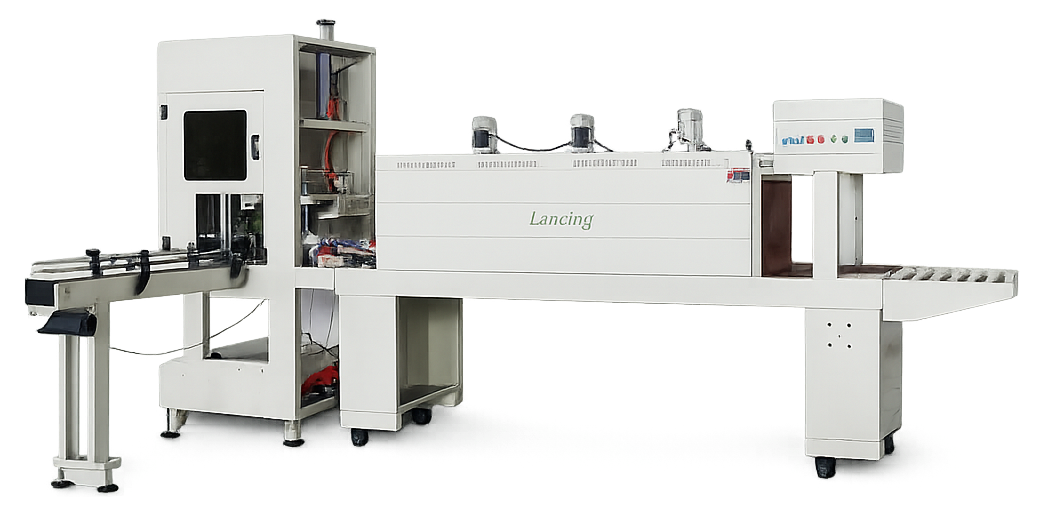
The LU-SPL4 is an automatic bottle wrapping and shrinking system designed for beverage-style multipacks and similar grouped products. It combines a film wrapping/sealing machine with a shrink tunnel to deliver a consistent bundled finish.
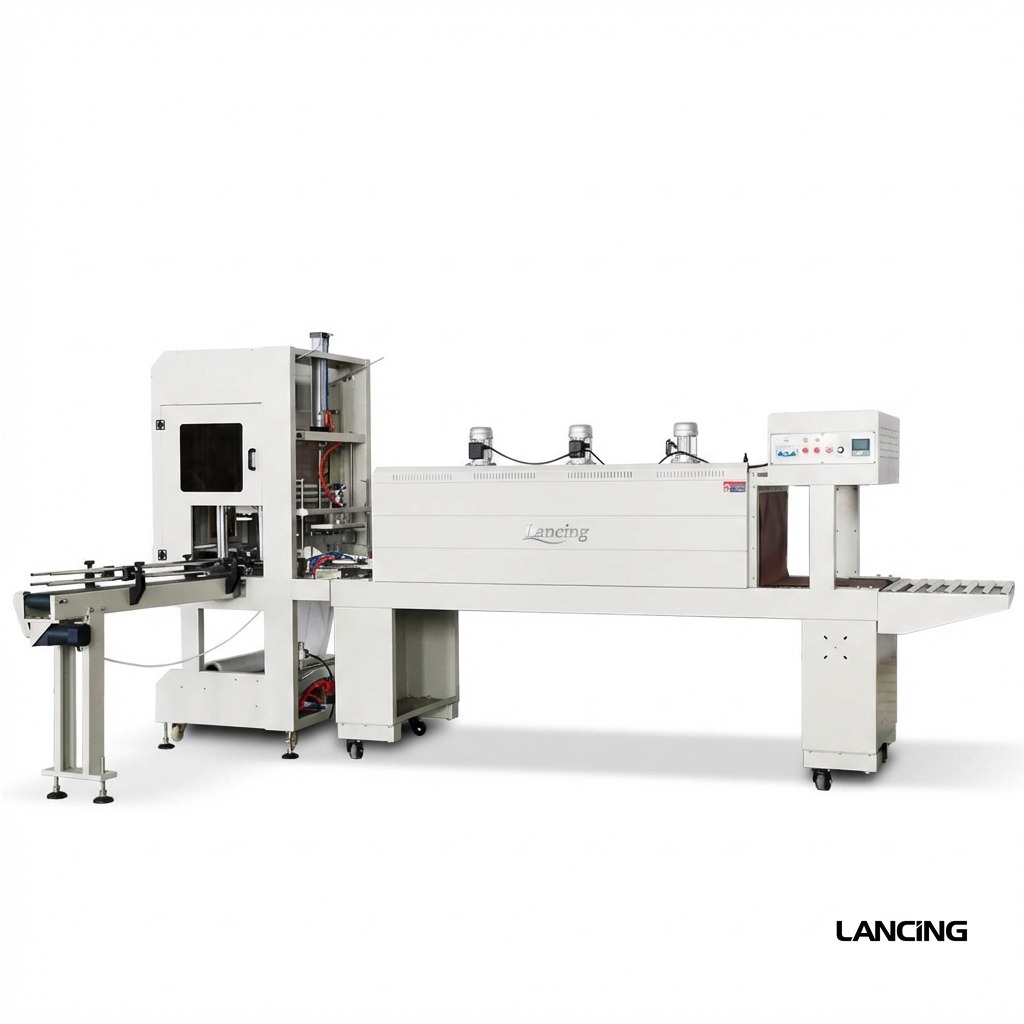
What this site covers
Use the pages below to compare machine types, applications, technical requirements and project planning points before sending an enquiry.
Automatic sleeve sealers, shrink tunnels and the LU-SPL4 featured system.
Bottles, drinks, cartons, trays, multipacks and contract packing routes.
Infeed spacing, conveyors, heat tunnel layout and line handover planning.
Questions to answer before comparing sleeve sealers and quotations.
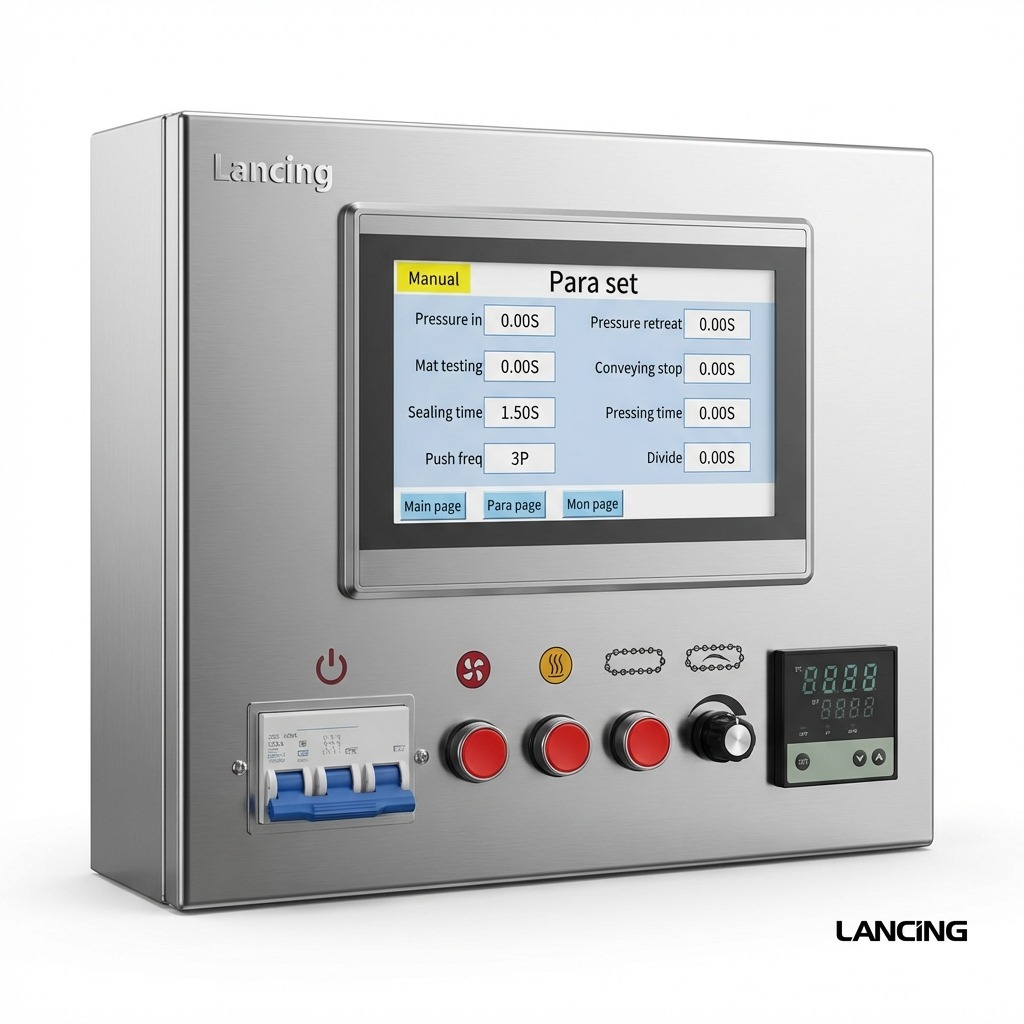
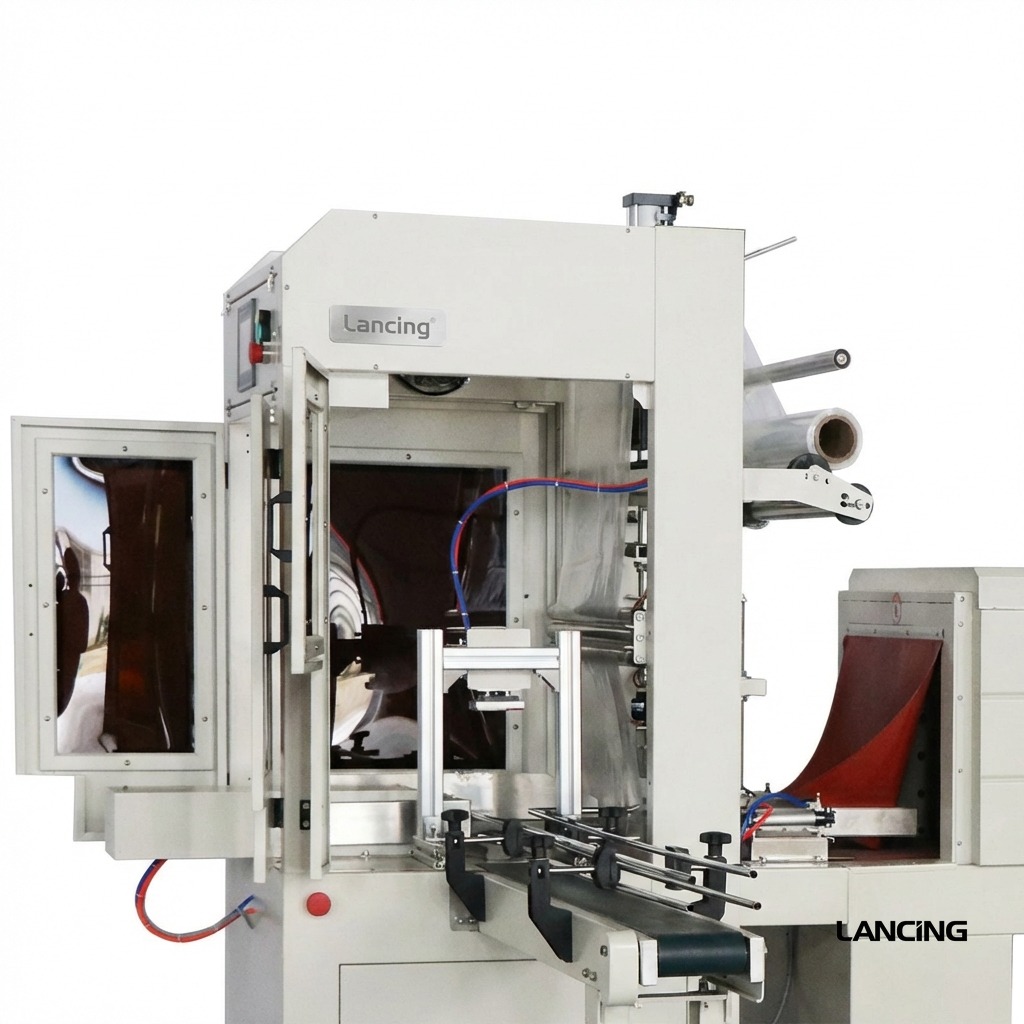
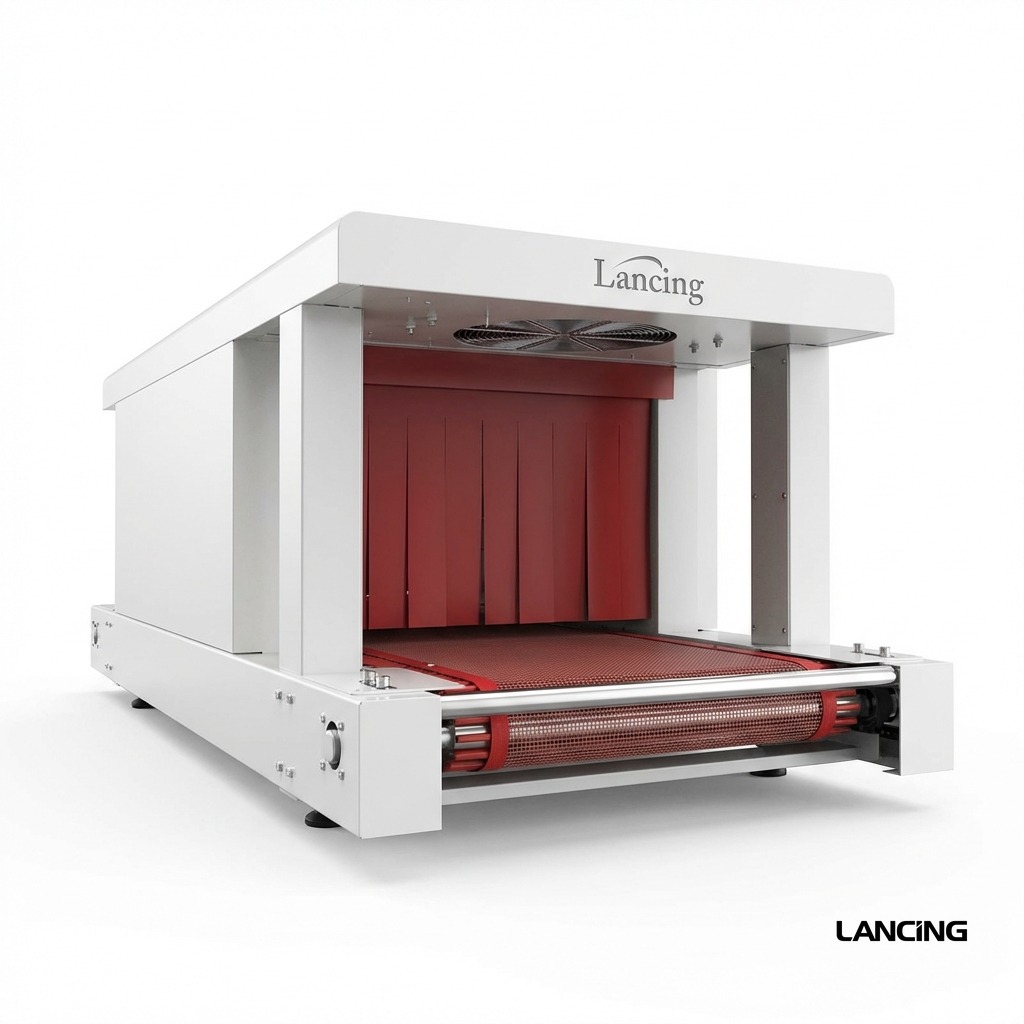
Sleeve sealer buying routes
Use these guides to compare sleeve sealing machinery before requesting a quotation.
For production lines needing continuous sleeve wrapping and shrink tunnel output.
Compare sleeve wrapper, film and shrink tunnel routes.
Understand the quote details that affect machine cost.
For water, drinks, dairy and multipack bottle wrapping applications.
Plan sleeve sealing and tunnel wrapping for bottle packs.
Send pack data for a practical Lancing recommendation.
Heat tunnel guidance for film finish, airflow and pack presentation.
Film and pack format guidance for sleeve sealing lines.
Details to prepare before requesting a sleeve sealer quote.
Quick answers
A sleeve sealer wraps film around grouped products, seals the film sleeve and normally passes the pack through a heat tunnel to create a secure shrink-wrapped multipack.
Many sleeve sealing systems need a heat tunnel to produce the final film shrink and pack presentation. The tunnel specification depends on film type, pack dimensions and required output.
Yes. A sleeve sealing system can be specified with conveyors, product spacing, bundle handling and downstream equipment as part of a wider filling, capping, labelling or packing line.
Speak to Lancing UK
Send your pack size, bundle format, film type and target output. We will recommend a sleeve sealer, heat tunnel and conveyor layout that suits the production requirement.
Sleeve sealer selection guides
Compare sleeve sealers, shrink tunnels, PE film and multipack wrapping machinery using these guides.
Exact sleeve sealing machine guide for UK production lines.
Sealer and heat tunnel guidance for multipack wrapping.
How to prepare a better quote enquiry for Lancing.
Alternative sleeve wrapper terminology and buyer route.
Tunnel aperture, dwell time, belt speed and airflow guidance.
Bottle pack and beverage multipack wrapping guidance.
Can multipack wrapping and collation details.
PE film sleeve sealing and transit pack guidance.
Tray pack sleeve sealing and tunnel specification.
Engineering selection notes
A reliable sleeve wrapping project starts with the pack that must leave the line, not with a nominal machine speed. Product dimensions, bundle pattern, film route, tunnel behaviour and downstream handling all affect whether the finished pack remains square, secure and easy to move.
Products are first presented in a stable row, tray or grouped pattern. The wrapper feeds film around the bundle, the seal system joins and cuts the sleeve, and the pack enters a shrink tunnel. Controlled heat and airflow tighten the film before the bundle is cooled and discharged. Each stage must be balanced: poor collation cannot be corrected by extra tunnel heat, and a sound seal can still fail if hot film is stressed before it has stabilised.
| Listed output | 0–6 packs per minute; sustainable production depends on the actual pack, infeed, film, tunnel settings and operating method. |
|---|---|
| Bottle guidance | 60–120 mm diameter and 100–330 mm height. |
| Pack envelope | Listed minimum 240 × 120 × 100 mm and maximum 400 × 120 × 330 mm. |
| Pack load | Listed up to 20 kg, subject to stable transport and a successful sample trial. |
| Wrapper film | PE shrink film, with listed thickness 0.03–0.25 mm and maximum roll width 560 mm. |
| Tunnel | LU-BSPN6040 reference tunnel with listed conveying speed of 0–15 metres per minute. |
| Seal working area | A separate verified seal-bar dimension is not published in the supplied reference data. Confirm the required opening, film overlap and cut position from representative products and film. |
A sleeve sealer is intended for grouped products, trays, cases and multipacks. It is not the same as an L-sealer that forms a bag around an individual product, and it is not a shrink-sleeve label applicator that places a decorative or tamper-evident sleeve on a single container. For those specialist routes, see the Lancing sites for L-sealing machinery and shrink-sleeve applicators.
Pack quality
Film thickness alone does not establish bundle strength. Pack weight, sharp edges, film grade, overlap, shrink direction and the cleanliness of the seal path also matter. The seal should be continuous and free from trapped product, folds or contamination.
Temperature, airflow distribution, conveyor speed, pack spacing and tunnel load determine shrink uniformity. Excess heat may split or distort film; insufficient or uneven heat can leave loose areas, wrinkles or an unstable pack.
Film remains vulnerable immediately after the tunnel. Provide enough discharge length and airflow for the bundle to stabilise before tight accumulation, manual lifting, case handling or pallet contact places load on the hot film.
Engineering FAQs
Agree the bundle pattern, film, target output and visual acceptance standard first. Check collation, seal continuity, shrink uniformity, product condition, cooling and repeated handling of the finished bundle rather than assessing one isolated pack.
No. Film width must allow the required wrap and overlap around the real bundle while remaining compatible with the wrapper path and seal position. Confirm it from pack dimensions and a sample trial.
The film is still soft when it leaves the heated zone. Controlled cooling helps the sleeve stabilise before the bundle is accumulated, lifted or transferred downstream.
No. It is a listed reference rate. Actual sustainable output depends on product collation, pack stability, film behaviour, tunnel dwell, spacing, restarts and operator or upstream-line performance.
Sleeve sealing wraps film around a grouped pack for bundling or transit handling. Shrink-sleeve labelling applies a printed or tamper-evident sleeve to an individual container and is a different machinery route.
Prepare a practical specification
Include the smallest and largest format, bundle pattern, representative samples, film details, output target and required finished-pack standard so the wrapper, tunnel and discharge can be assessed together.
Sleeve sealer selection framework
The most useful starting point is the required finished pack. Grouped bottles, cans, trays, cartons and cases can all need different collation, film and discharge arrangements even when the same broad sleeve-sealing process is used.
| Packaging question | Best next page | Why it matters |
|---|---|---|
| Which wrapper and tunnel configuration fits the pack? | Sleeve sealer machine range | Compare the current LU-SPL4 wrapper reference, tunnel route and the project details that require confirmation. |
| Will the real format sit inside the published reference range? | LU-SPL4 specifications | Separate verified catalogue data from final project scope and witnessed trial evidence. |
| How should grouped products be collated and transferred? | Multipack shrink wrapping | Bundle architecture, tray support and transfer stability determine whether the pack reaches the seal and tunnel squarely. |
| Which PE film information is needed? | PE shrink film guidance | Film grade, width, thickness, roll format, overlap and approved settings should be treated as one controlled material specification. |
| How should tunnel heat and cooling be assessed? | Shrink tunnel guidance | Airflow, dwell, loading, spacing and cooling must be checked under representative production conditions. |
| Is a different shrink route required? | L-sealer versus sleeve sealer | Use an L-sealing route for appropriate fully enclosed packs, or a specialist shrink-sleeve applicator for labels and tamper bands on individual containers. |
A listed machine rate is a reference, not a substitute for a line trial. Lancing needs the smallest and largest saleable formats, the real bundle pattern, production-weight samples, proposed tray or pad, representative film and the upstream presentation method. The trial should then reproduce normal spacing, short stops, restarts and downstream handling rather than producing one isolated good pack.
Acceptance should cover collation, seal continuity, shrink uniformity, product condition, cooling and the integrity of the bundle after it has been transferred, accumulated and lifted in the way expected in production. Record the accepted product, film, guides, seal setting, tunnel settings, conveyor speed, spacing and finished-pack standard so the result can be repeated.
Complete sleeve sealing knowledge path
The final machinery choice is stronger when pack design, film, sealing, tunnel control, cooling, quality acceptance and site interfaces are considered as one project. These technical resources turn the application into evidence that can be reviewed before quotation and tested before handover.
See tray-supported can bundles at the wrapping and sealing section, with a clear visual transcript and trial boundaries.
Define representative products, film, running conditions, stops, restarts and acceptance evidence.
Check the full operating envelope, services, delivery route, cooling and line handover.
Separate film, seal, tunnel, collation, cooling and discharge causes without uncontrolled setting changes.
Create observable criteria for collation, seal, shrink, product condition, cooling and handling integrity.
Record grade, thickness, width, roll construction, storage, sealing and trial approval.
| Stage | Buyer information | Decision produced |
|---|---|---|
| 1. Application definition | Products, bundle pattern, support, film, output, layout and required finish. | Suitable wrapper, tunnel and line configuration to assess. |
| 2. Representative trial | Production-weight samples, approved film, realistic spacing, stops, restarts and handling. | Accepted operating window and finished-pack evidence. |
| 3. Site readiness | Final layout, services, access, safety interfaces, products, film and downstream equipment. | Commissioning conditions and site acceptance scope. |
Use the sleeve sealer specification checklist to assemble the pack and line evidence. Where a current pack is failing, start with the troubleshooting guide and send photographs or video of the complete sequence rather than the final defect alone.
Buyer planning questions
These questions help production and procurement teams define the finished bundle before comparing machines, film or tunnel settings.
Decide what the accepted finished bundle must be, how products arrive at the wrapper and what the downstream line must do with the cooled pack.
Machine selection then follows from the smallest and largest product, bundle pattern, tray or pad requirement, PE film route, target accepted output, available footprint and handling duty. Starting with a model name can hide the real constraint, such as unstable collation, an undersized tunnel aperture or insufficient cooling after the heated zone.
See the questions to ask before buying.
Use the full format matrix, not only the largest item, because the pack that sets width or height may not be the pack that is hardest to collate, seal, shrink or discharge.
Record every saleable SKU, bundle count and orientation. The largest pack helps define the mechanical envelope, while the smallest, lightest or least stable pack may define guides, transfer gaps, film control and minimum adjustment. Representative trials should include the boundary formats and any pack that uses a different tray, pad or film.
Open the multiple pack-size guide.
No. A sleeve-wrapped bundle should be approved after cooling and representative handling, not only from its appearance at the tunnel exit.
Check collation, seal continuity, film damage, product condition, side openings, base support and stability during accumulation, lifting and the intended route to palletising or dispatch. A tight-looking hot pack can still split, distort or move after the film is loaded downstream.
Use the bundle quality acceptance guide.
Add support when the products cannot remain collated through pushing, film tension, tunnel transport, cooling and downstream handling without unacceptable movement or damage.
Trayless wrapping can reduce support material, but it depends on container geometry, base stability, product friction, bundle pattern, pack weight and how the pack will be lifted. Compare tray, pad and trayless samples using the same acceptance tests rather than assuming one construction is suitable from product shape alone.
Compare tray, pad and trayless bundles.
Quote-ready specification path
The fastest useful sleeve sealer response comes from a complete pack description, not only the product name. Lancing can assess the route more accurately when the enquiry states the product, pack count, finished bundle size, tray or pad support, film information, target accepted output, available space and downstream handling method.
For buyers comparing several machine routes, separate the purchase question from the running question. Machine price depends on specification and scope, while operating cost depends on film consumption, tunnel settings, reject levels, labour involvement, changeover time and maintenance condition.
| Choose the machine family | Sleeve sealer selection guide and automatic sleeve sealers. |
|---|---|
| Compare operating factors | Sleeve sealer running-cost factors and output factors. |
| Plan the line | Line layout guide and integration guidance. |
| Prepare multiple formats | Format changeover guide and multi-size planning. |
Supply the grouped products, film and required finished bundle. Test how the group is formed, transferred, sealed and passed through the tunnel. Include unstable packs, interrupted arrivals and format changes, then compare the accepted bundle rate, film result and operator tasks of the complete arrangement.
Related guidance: Shrink Wrap Machine for Bottles UKPlan sleeve sealing and tunnel wrapping for bottle packs. · Polythene shrink wrapping machine
Related guidance:
Begin with the products to be grouped and the intended bundle pattern. Identify whether a tray or pad is involved, how the products reach the grouping stage and what the completed bundle must withstand in its intended handling process. Keep the product dimensions and proposed film specification with the bundle requirement.
Ask the supplier to describe the complete sequence being offered, including collation, film handling, sealing, shrinking and discharge where those operations form part of the proposal. Identify the manual tasks and interfaces with existing equipment so the scope is clear before comparing machine configurations.
Use representative bundles to agree the acceptance checks. Record the film, product arrangement and equipment setup used, including any adjustments made during the demonstration. Keep the approved bundle reference available for later format changes, material substitutions and operator handover, and identify any proposed combinations that have not yet been tested.
Also specify their arrangement, dimensions, support material and required finished-pack condition. Ask how the proposed machine sequence will form and handle that particular bundle.